
Pitch for Peace
300 young people, 10 classes and one question: what can we build when differences meet? On April 30, 2026, at Sala Cecília Meireles in Rio de Janeiro, 70 of them took the stage with 20 projects before 400 people.
Supported by UNESCO and FAPERJ.
projects competed for Youth for Peace. 50 leaders from 48 countries were selected.
schools in Petrópolis, Rio de Janeiro and Três Rios.
young people in the lab, 270 of them from public schools.
classes, from their own story to the final pitch.
young people selected for the stage.
social technology projects.
people in the audience.
support from the Youth for Peace program and a FAPERJ public grant.
A maker lab for peace education.
Inspired by UNESCO's principles of education for peace, the lab brought together young people from different schools and realities to listen to each other's stories, turn coexistence into collaboration, and collaboration into impact projects.
Here, social entrepreneurship isn't about starting a company. It's about spotting a real problem in your own surroundings, mobilizing the resources that already exist, creating a solution and communicating it with clarity and heart.
Listen before acting.
Turn ideas into something concrete.
Create impact for the community.
We don't start from the premise that we're going to teach entrepreneurship. We start from the certainty that students already are entrepreneurs.Trilhar UNESCO Maker Labs Guide
Ten sessions to turn stories into action.
Every class opens with a Story Circle: groups of 4 to 6 young people, real stories, listening without judgment.
Badges that recognize attitudes, not just results.
The gamification is cooperative: when one group earns a badge, the whole class celebrates.
Creativity and curiosity.
Empathy and collaboration.
Innovation and problem solving.
Communication and courage.
Unity and commitment to the group.
From the open call to the stage.
The selection
Out of more than 8,000 projects, Tales Gomes was one of 50 leaders from 48 countries chosen for UNESCO's Youth for Peace program. UNESCO's support became a lab.
The lab
Classes begin in 8 schools, with the FAETEC network, CEFET and CIEP Cecília Meirelles. 300 young people, 270 from public schools.
The student who said no
At a FAETEC school, one student refused to take part: he needed a solution for his own life, not for the world. The team shared stories of people who changed their own world. That episode became the core of the method.
The stage
At Sala Cecília Meireles, 70 young people from 8 schools presented 20 projects to 400 people, with support from FAPERJ.
What remained
5 of the 8 schools continued in the Regular Program. And the journey became a product: Trilhar Challenge.
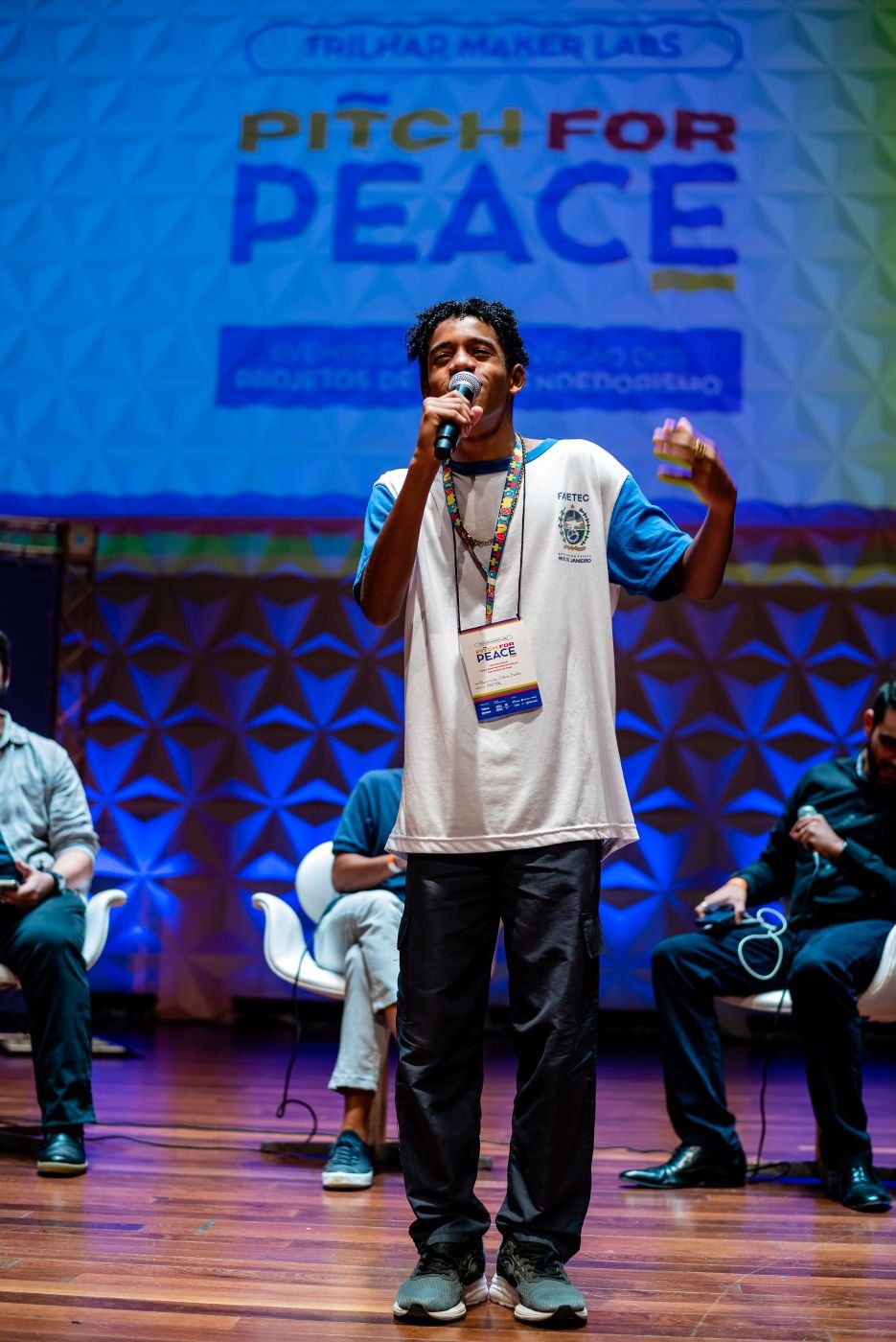
How the night went.
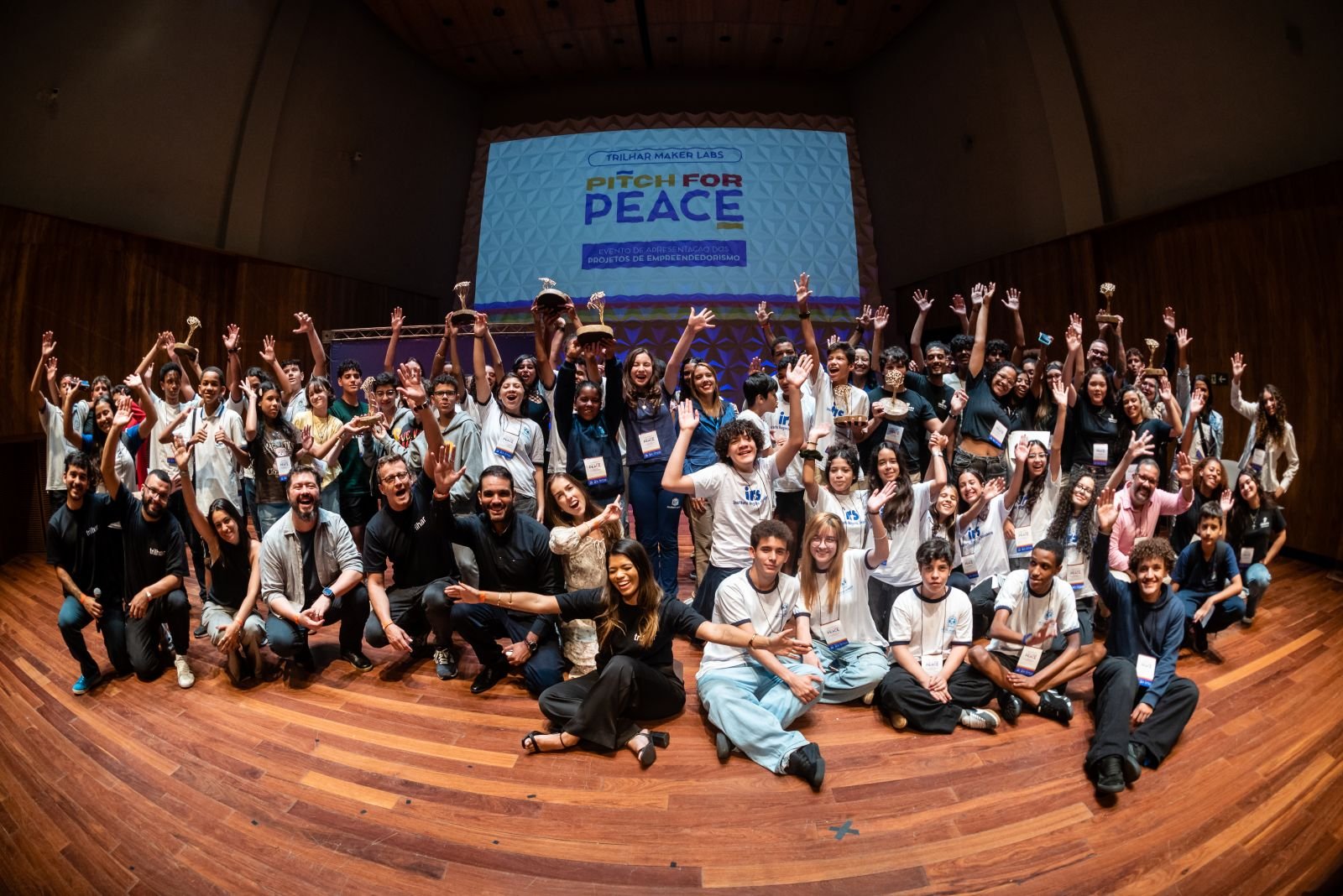
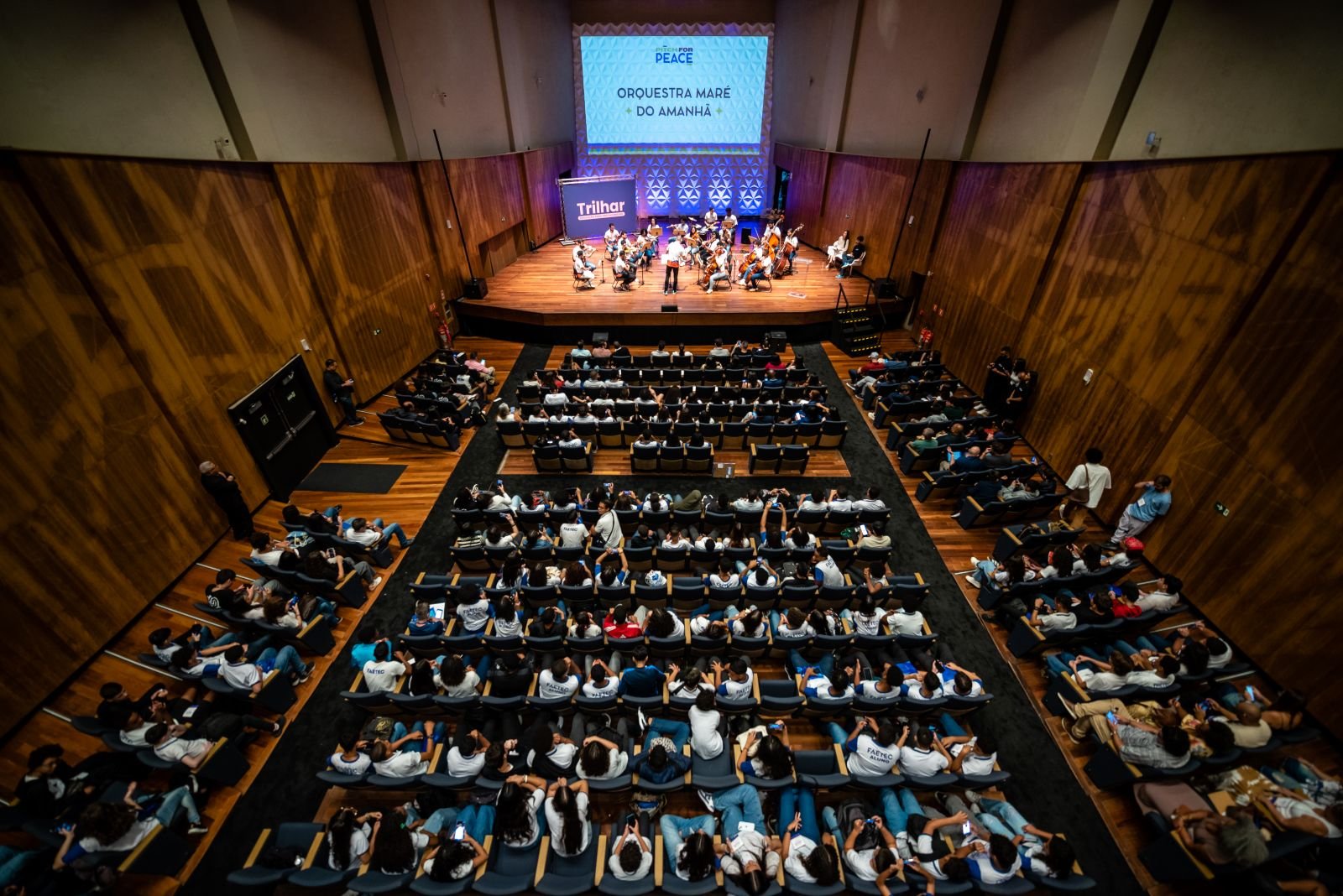
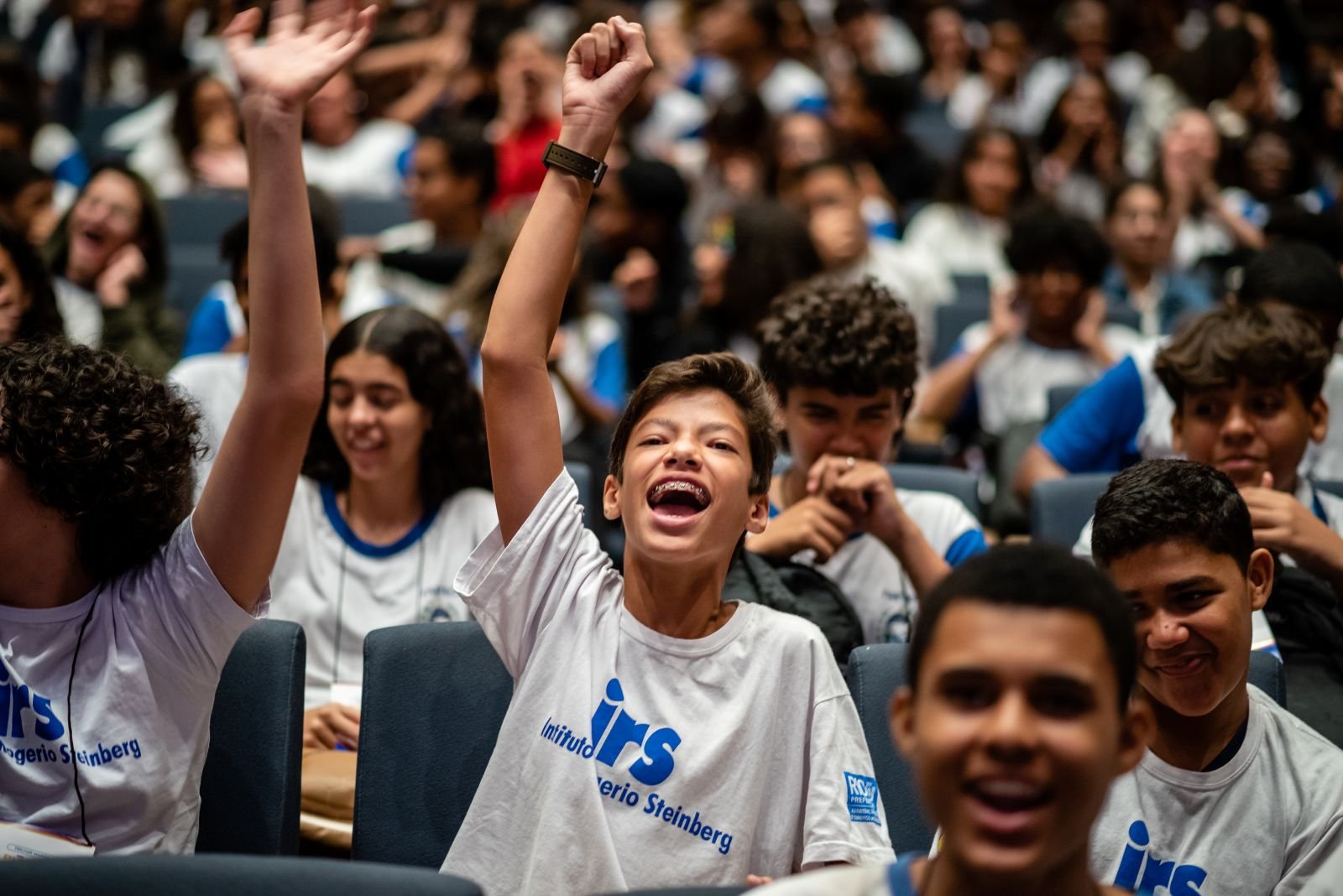
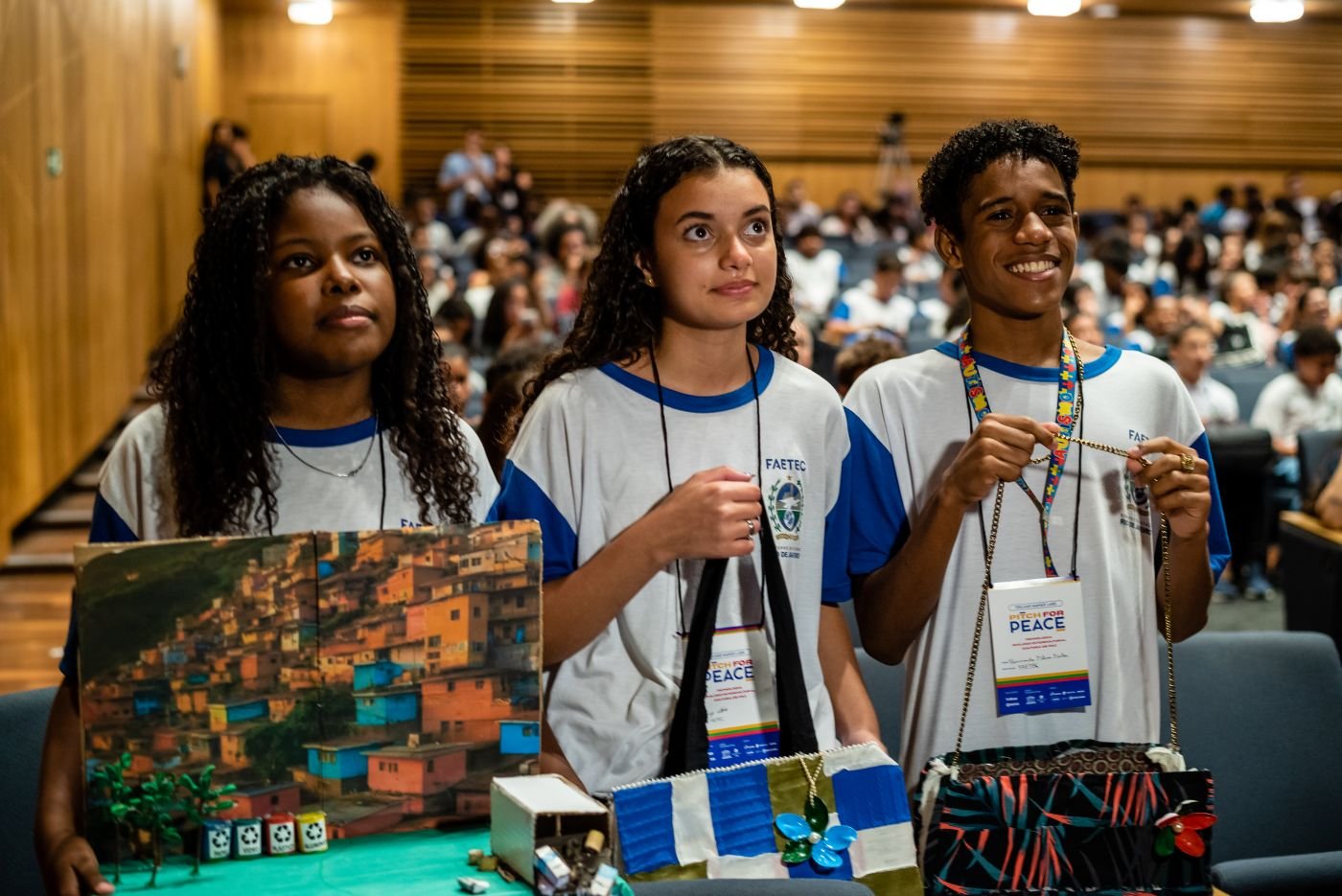
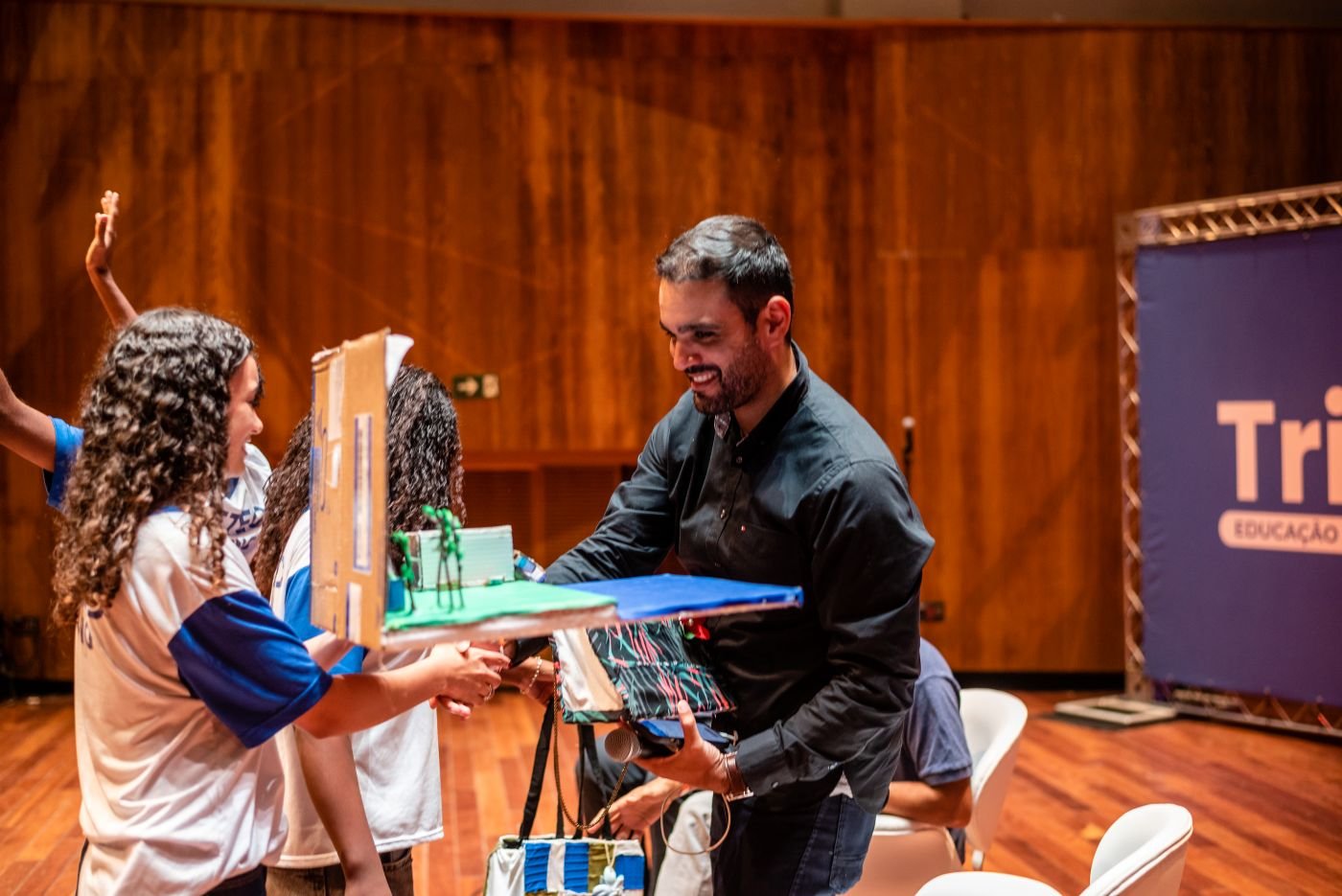
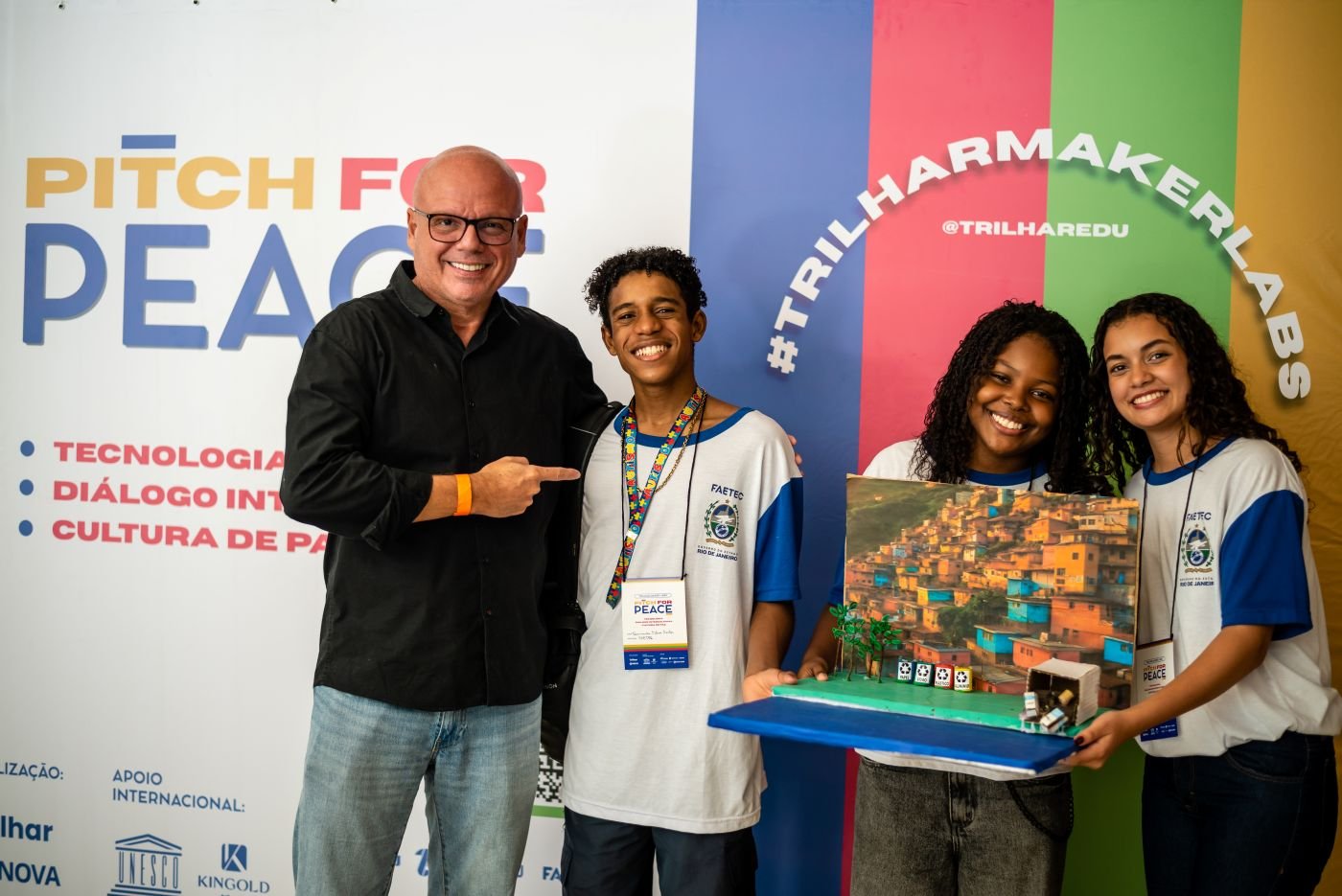
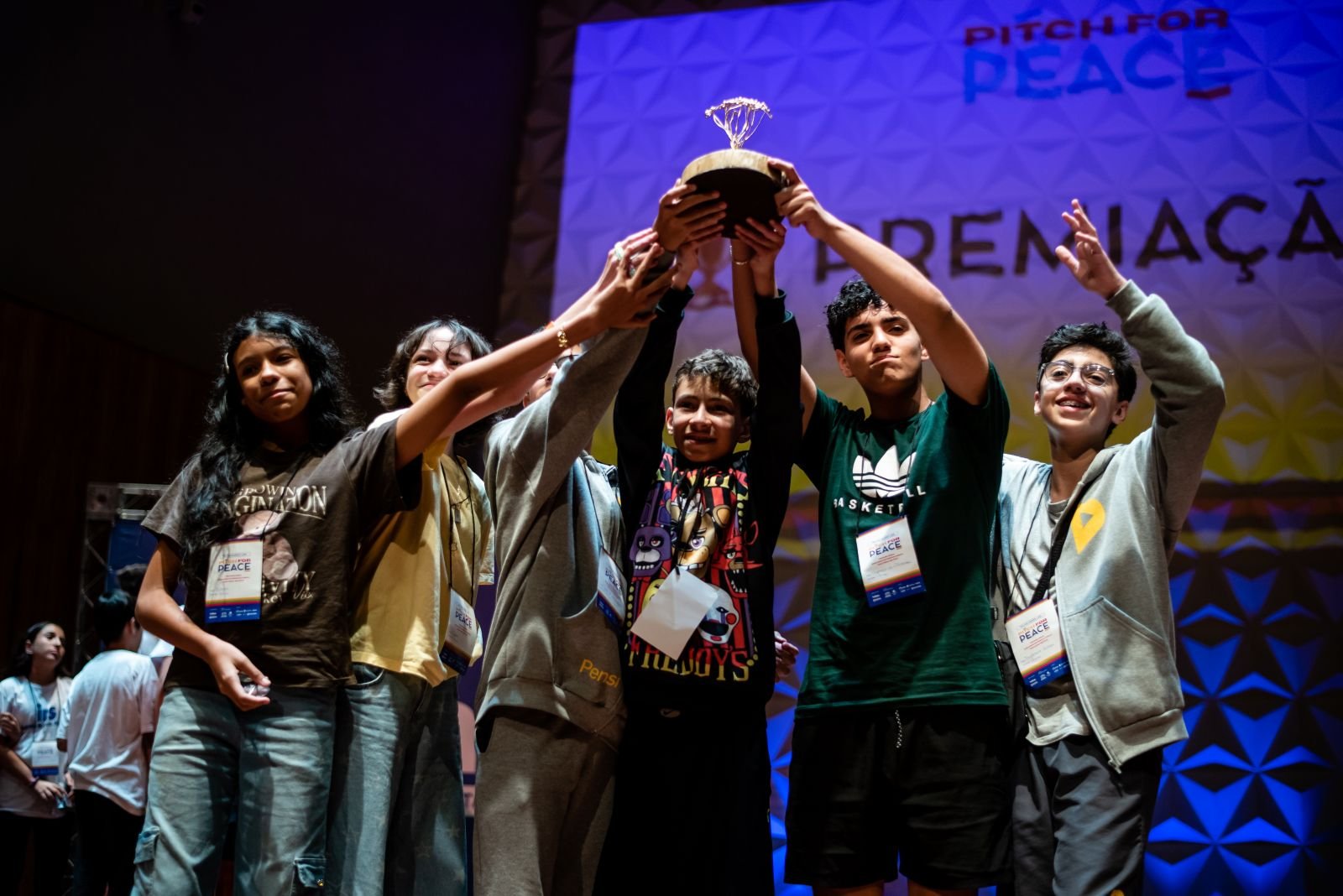
A heavyweight jury and a panel on education.
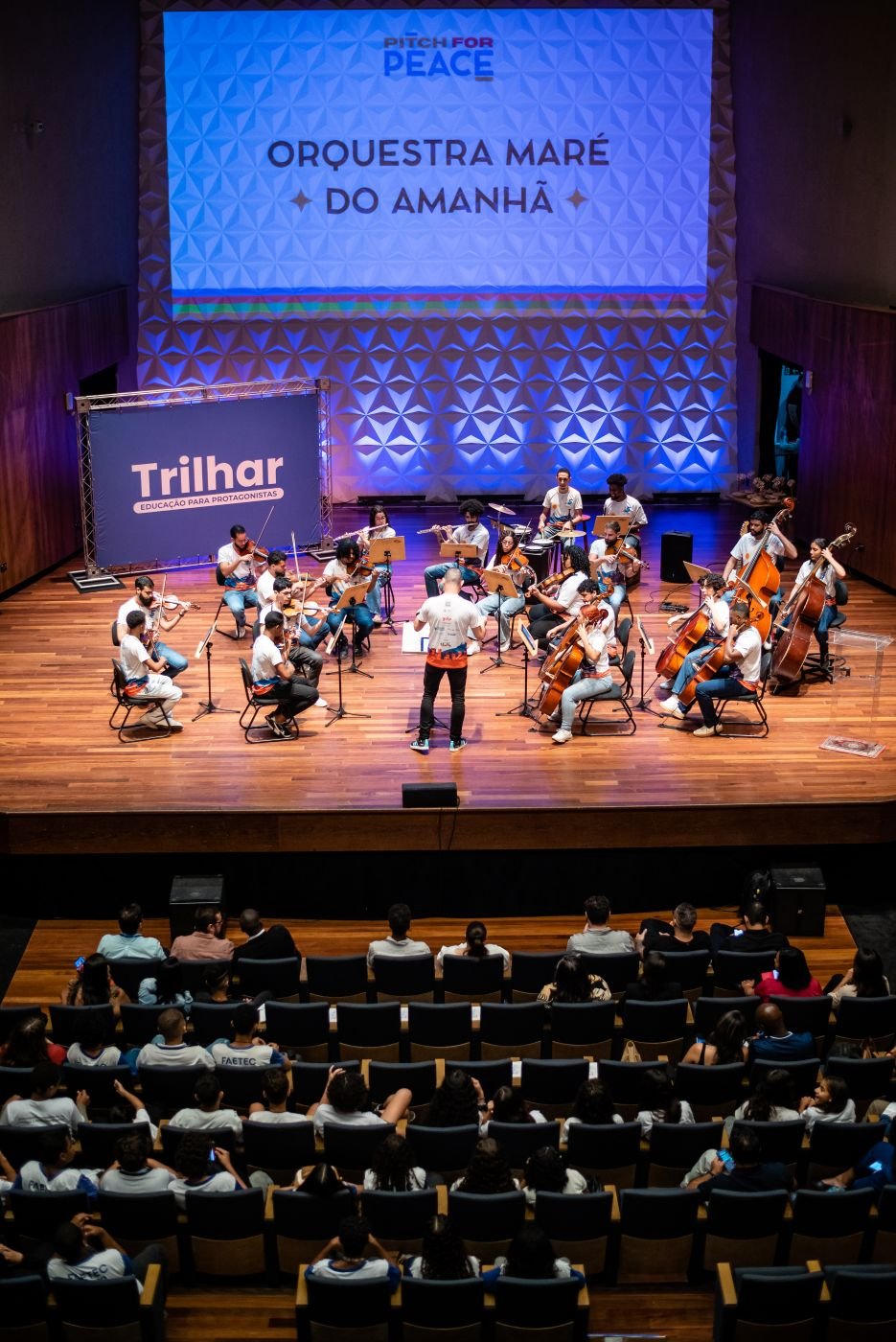
The guests evaluated the 20 projects and then joined a panel on the future of education. The Maré do Amanhã Orchestra also performed.
Calm Chat, Eco Soluções and Lunnar on the podium. Plus 7 category awards.
And Nova Jornada, from CIEP Cecília Meirelles, went on to the TOP 10 of the Brazilian Entrepreneurship Olympiad.
Those who were there.
Fábio Éon
Coordinator of the Social and Human Sciences program at UNESCO in Brazil, talks about the project.
Pitch for Peace on TV Globo (in Portuguese)
TV Brasil · Mar 2026Pitch for Peace and UNESCO on TV Brasil (in Portuguese)
UNESCOBrazilian maker labs bring young people together to co-create solutions to community challenges
Diário de Petrópolis · Feb 10, 2026UN-selected Petrópolis native brings entrepreneurship education to Rio public schools (in Portuguese)
Want to bring this to your network?
Trilhar Challenge was born from this experience, for education departments, institutes and companies that want to invest in young people.